
The best time to prepare
was last year.
The second best time is
before you finish
reading this.
Stockpile · Est. 2019
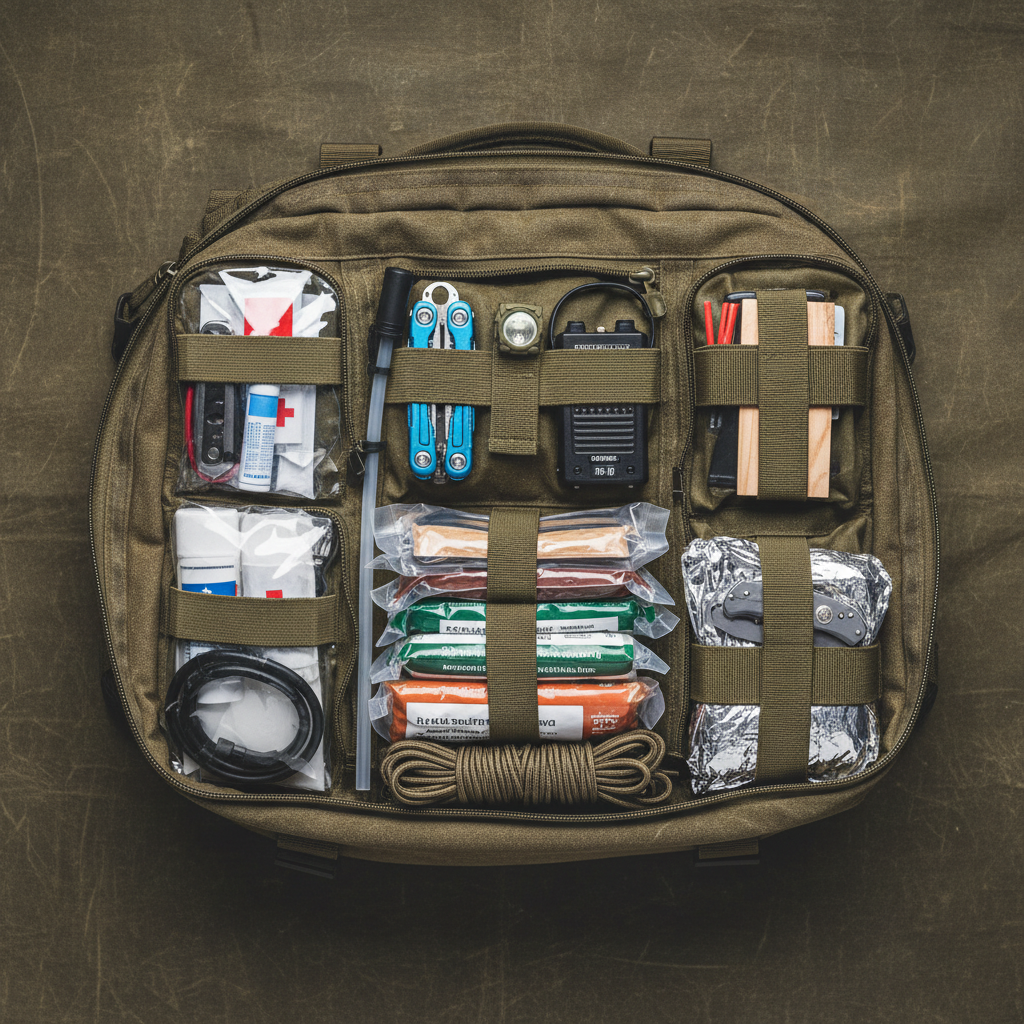
Everything you need. Nothing you don't.
The 72-hour bag is not a shopping list — it is a decision made in advance, under no pressure, so that the version of you in a crisis doesn't have to think. Ours weighs 21 lbs. We know exactly why each ounce is there.
How long could you sustain yourself from what you can carry right now?
This is Question 1 of your readiness assessment.
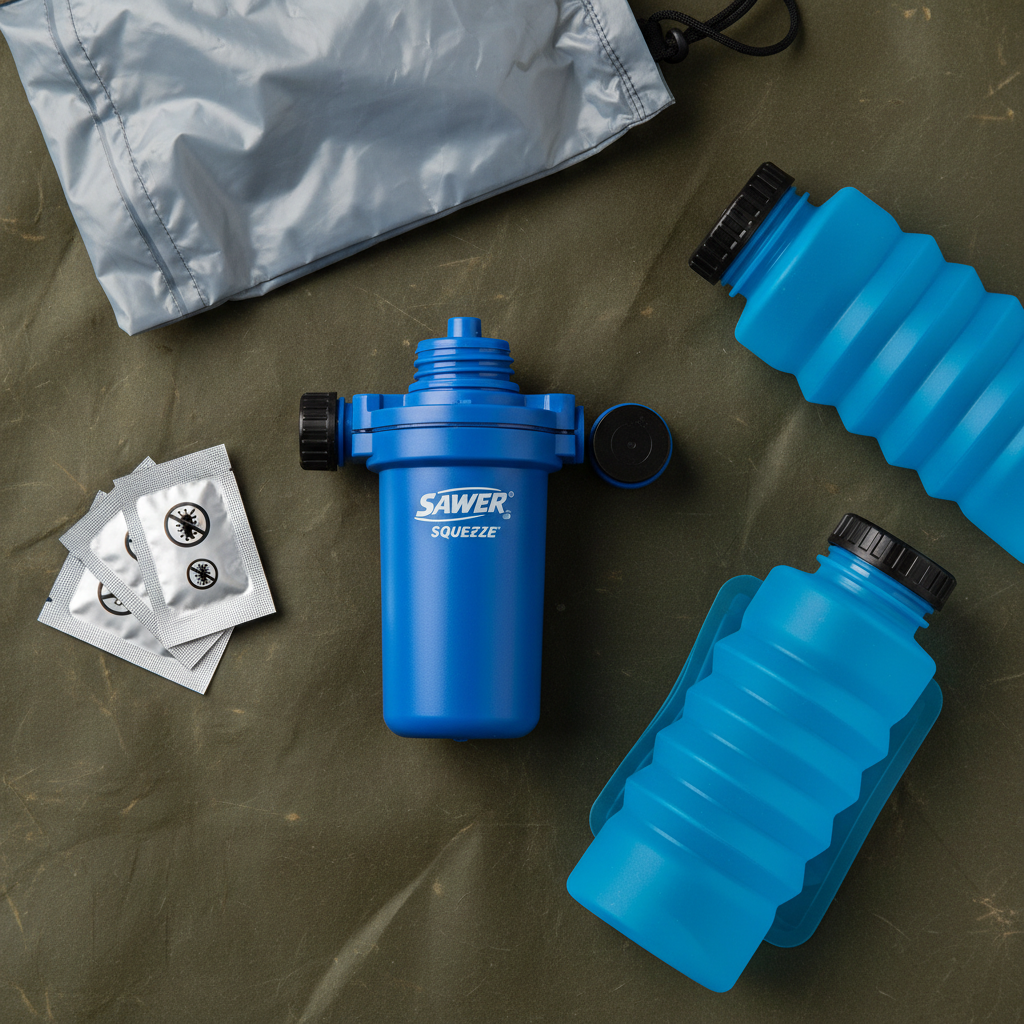
Three days. That's the number that changes everything.
After 72 hours without safe water, the conversation shifts from inconvenience to crisis. We've tested 14 filtration systems across municipal failure, backcountry contamination, and flood scenarios. The answer is never one method.
Without turning on a tap, how many days of water do you have access to today?
Most households: under 24 hours.
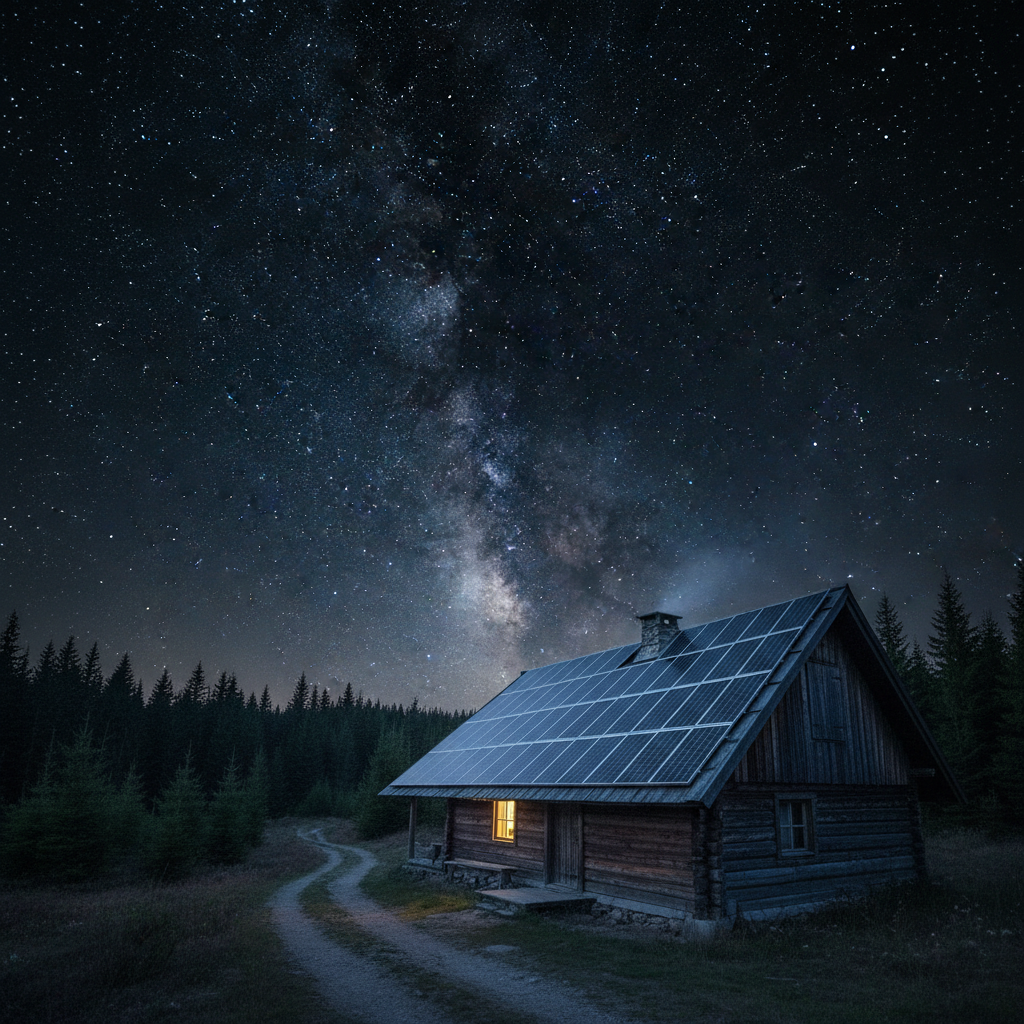
When the grid goes dark, information is oxygen.
The power outage that lasts 96 hours teaches you more about your dependencies than a decade of casual preparedness. A solar array, a hand-crank radio, and a laminated contact list. In that order. In every season.
If cell towers failed for 72 hours, who could you reach — and how?
Communication backup is the most overlooked gap.
Five Questions · Three Minutes
Where do you actually stand?
The Stockpile Readiness Assessment covers the five domains where most households discover their blind spots: water, food, medical, communications, and evacuation. Each answer moves a meter. The result is yours to keep.
No account required · Results delivered instantly